Home › Asphalt Resurfacing & Overlays
Precision Asphalt Atlanta offers asphalt resurfacing in Atlanta, GA as a budget friendly way to renew worn residential driveways. We repair major issues, then install a smooth asphalt overlay that ties into existing edges and garage slabs. Resurfacing restores appearance and ride quality without the cost of full replacement. Our team evaluates your driveway to confirm it is a good candidate for a long lasting asphalt cap.
Precision Asphalt Atlanta provides professional asphalt resurfacing throughout Atlanta, GA, Georgia and the surrounding area. Our licensed, insured crew delivers safe, clean, on-time work with a free estimate before anything begins. Call (470) 683-6069 or request your free quote.
Asphalt Resurfacing & Overlays in Atlanta, GA
Asphalt resurfacing is often the smartest way to restore a worn parking lot or driveway in Atlanta without paying for a full tear out and replacement. Precision Asphalt Atlanta focuses on resurfacing and overlay work that extends the life of your pavement, improves appearance, and corrects minor structural issues while keeping your property usable.
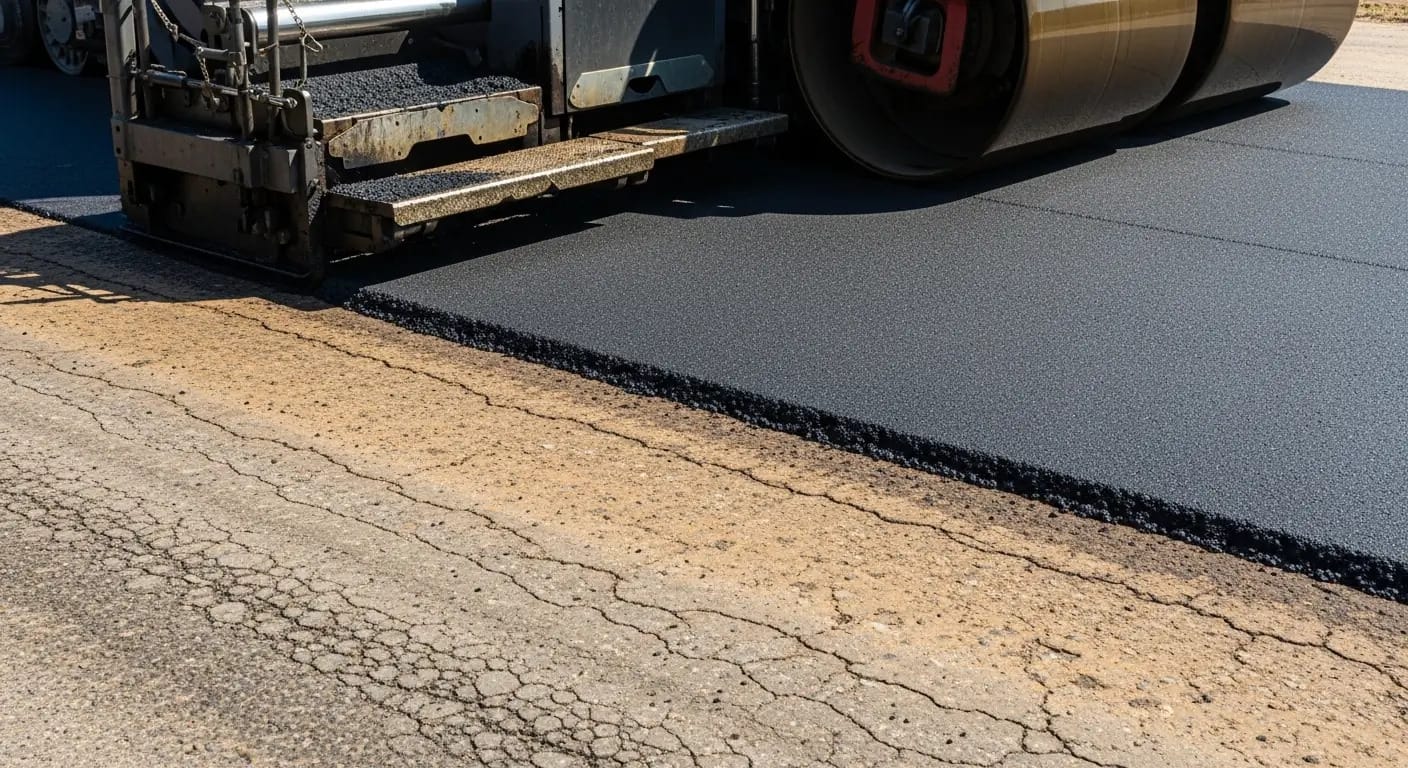
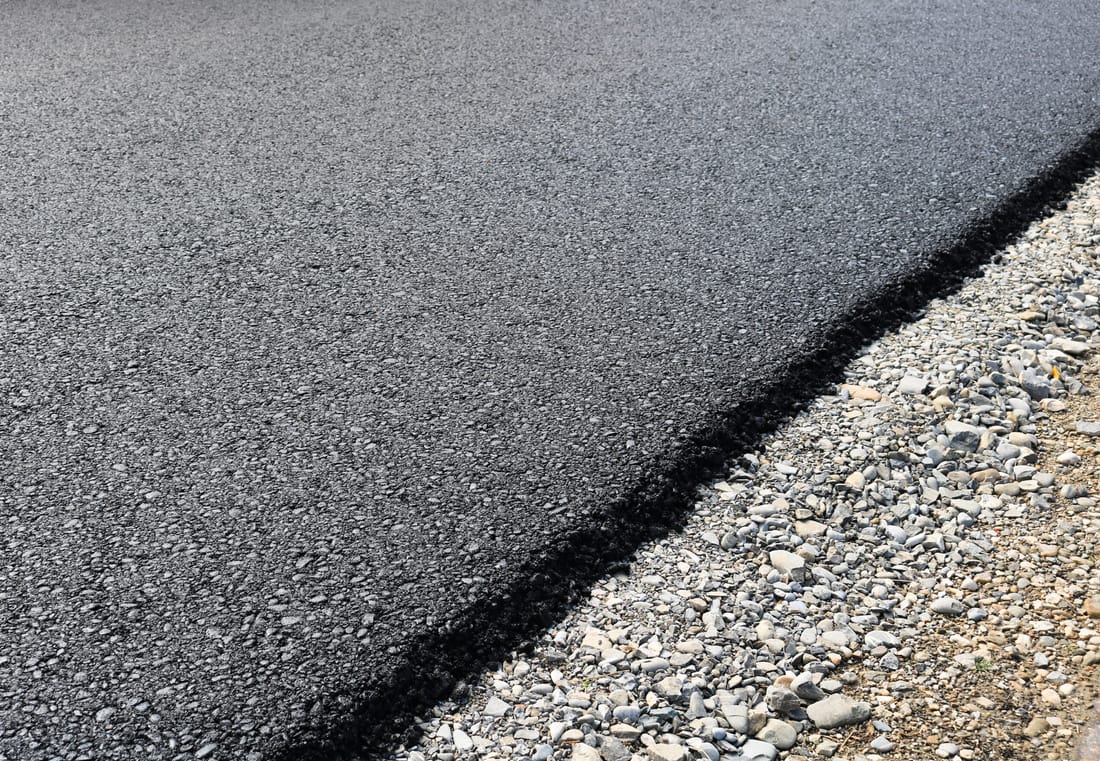
In simple terms, resurfacing means installing a new layer of hot mix asphalt over your existing pavement after it has been properly repaired and prepared. On most Atlanta commercial lots, that new layer ranges from 1.5 to 2 inches thick. For heavier traffic areas or delivery lanes, we may recommend up to 3 inches or a multi lift overlay system.
Not every cracked lot is a good fit for resurfacing. A key part of our work is telling you honestly whether an overlay makes sense or if the base has failed so badly that replacement is the only cost effective option. We evaluate your surface for deep structural cracking, base movement, and drainage problems, then design a resurfacing plan that matches Atlanta traffic patterns, soil conditions, and weather.
When Resurfacing Works and When It Does Not
The first thing we help Atlanta property owners understand is whether asphalt resurfacing is technically appropriate. If your pavement has widespread alligator cracking, large areas that pump water or mud when trucks roll over them, or major depressions where water stands after every Georgia rain, those are signs of base failure. In those cases we recommend targeted full depth repairs before any overlay, or full reconstruction in the worst areas.
Resurfacing is ideal when the surface is oxidized, gray, and brittle, with moderate cracking and some ruts, but the base layer is still solid. This is common on Atlanta apartment complexes, HOA roads, and retail centers that are 10 to 20 years old and have had limited maintenance. We often see this along major corridors like Buford Highway and around industrial areas where traffic is frequent but the pavement was originally built with a decent base.
During our evaluation, Precision Asphalt Atlanta cores or cuts small sections when needed to see how thick your current asphalt is and what kind of stone base it sits on. We also check for reflective cracking patterns that could reappear quickly through an overlay. This upfront analysis lets us tell you, with clear reasoning, whether resurfacing will actually add another 8 to 12 years of life or simply put a cosmetic bandage on a failing structure.
Our Asphalt Resurfacing & Overlay Process
A quality overlay is 80 percent preparation and 20 percent paving. Precision Asphalt Atlanta follows a strict multi step process on every resurfacing project in the Atlanta area so the new layer bonds properly and performs under Georgia heat and traffic.
1. Detailed layout and traffic plan. For active sites like shopping centers or schools, we schedule work in phases, set up detours, and coordinate around business hours so you keep operating.
2. Milling and edge key cutting. We grind down at transitions to concrete, catch basins, and tie in points to create smooth joints and to keep final elevations where they should be. Typical Atlanta city codes and ADA rules require careful attention here so curbs and ramps remain compliant.
3. Structural patching. We saw cut and remove failed areas down to solid base, then rebuild with new base stone and full depth asphalt. Overlaying over unstable spots is the fastest way to ruin a new surface.
4. Cleaning and tack coat. We power sweep, blow, and sometimes pressure wash to remove dust and loose material. Then we apply a tack coat, a thin layer of asphalt emulsion, to help the new overlay bond securely to the old surface. In humid Atlanta summers, we watch temperature and cure time closely to avoid tracking.
5. Placing the new asphalt. We use commercial grade hot mix from local Georgia DOT approved plants, then place it with a self propelled paver to control thickness and slope. Our crew uses multiple passes and joint matching techniques to avoid cold seams that can unravel later.
6. Compaction. Steel drum and pneumatic rollers compact the new layer to target densities. On steep Atlanta driveways or hilly lots we adjust rolling patterns to prevent shoving or slippage.
7. Striping and final checks. After the surface cools, we re stripe parking lots to current Georgia accessibility standards and verify water runs away from buildings, entrances, and ADA routes.
Material Options and Design Choices for Atlanta Properties
Asphalt is not one size fits all. For resurfacing and overlays in the Atlanta market, Precision Asphalt Atlanta selects mix designs that handle high summer temperatures, occasional freezing nights, and a lot of stop and go traffic.
For retail centers and churches, we typically use a dense graded surface mix with a fine aggregate that gives a smooth, quiet ride and resists raveling. In heavy truck or bus areas, such as warehouse loading zones or school bus loops, we may specify a thicker overlay with a coarser, stiffer mix to stand up to turning and static loads.
We also look at slope and drainage during design. Many older Atlanta lots were built flat, which leads to ponding after thunderstorms. When resurfacing, we can subtly change grades by varying overlay thickness to improve drainage without rebuilding the entire base. This often involves feathering from 1 inch up to 2.5 inches across a run to push surface water toward existing inlets.
Color and texture are fairly standard for asphalt, but we can adjust the aggregate size and compaction to balance skid resistance and smoothness. Near steep entrances or parking deck ramps, we may recommend a slightly rougher surface to improve traction during wet Georgia weather. All of these decisions are part of our proposal, not afterthoughts that appear once work is already in progress.
Cost Factors Specific to Asphalt Resurfacing
Pricing for asphalt resurfacing in Atlanta is influenced by much more than simple square footage. Precision Asphalt Atlanta explains these variables up front so you understand why one property might cost more per square foot than another.
Key cost drivers include:
• Thickness of the overlay. A 1.5 inch overlay uses significantly less material than a 2.5 inch overlay. Heavier traffic areas, older pavements, and locations with drainage corrections often require more thickness.
• Amount of repair work. Milling depth, full depth patching, and base repair are major factors. A lot might only need light edge milling and a handful of patches, or it might need extensive reconstruction in wheel paths where garbage trucks and delivery vehicles have caused rutting.
• Site complexity and phasing. Tight sites inside the Perimeter, multi level lots, or locations that must remain partially open 24/7 (such as medical offices or hotels) usually require more labor, traffic control, and off hour work.
• Access and trucking. In some crowded Atlanta neighborhoods, truck routes, plant distance, and limited staging areas increase time and cost. We schedule material deliveries to keep paving continuous and avoid cold joints that weaken the overlay.
By reviewing these items during a site visit and including them in a detailed written scope, we help you compare resurfacing quotes on an apples to apples basis rather than chasing the lowest number that may skip essential steps.
Common Overlay Problems and How We Prevent Them
Most premature overlay failures can be traced back to a few predictable issues. Precision Asphalt Atlanta builds the prevention of those issues into every resurfacing project we take on.
Reflective cracking occurs when old cracks telegraph up through the new asphalt. To reduce this, we route and seal larger cracks before overlay, perform localized patching where cracking is severe, and sometimes use reinforcing fabrics or grids in areas with recurring patterns. We also discuss realistic expectations: very minor hairline reflective cracking can still occur over many years, but it should not affect performance.
Slippage and shoving show up as wavy ridges or slide marks, often on hills, intersections, or at stop signs. These are usually caused by poor bonding or compaction. We avoid them by using the correct tack rate, confirming surface cleanliness, and adjusting roller patterns on grades that are common around Atlanta neighborhoods built on rolling terrain.
Drainage related failures are another big concern. Standing water shortens pavement life, particularly in our warm, humid climate where water seeps into microscopic cracks. Before overlay, we identify low spots, clogged inlets, and mismatched elevations at curb lines. When necessary, we rework inlets, adjust manhole heights, or thicken the overlay strategically so water flows away from buildings and pedestrian routes.
Finally, we time resurfacing around Atlanta weather. High heat, heavy rains, or rapid temperature swings can affect compaction and curing. Our crews monitor local forecasts, plant temperatures, and onsite conditions, and we are willing to reschedule a pour rather than risk a compromised surface.
What Atlanta Property Owners Should Expect From Us
When you contact Precision Asphalt Atlanta about asphalt resurfacing or overlays, the process starts with a site meeting, not a ballpark number over the phone. We walk the pavement with you, mark problem areas with paint, measure slopes, and talk about how your lot or drive is actually used: where trucks park, where employees cut corners, and when traffic peaks.
Our written proposal includes a site plan or marked up aerial image, clearly states overlay thicknesses by area, and lists all milling, patching, and striping that will be performed. You will also see our proposed schedule and how many phases we recommend so your Atlanta business or community stays functional throughout the work.
During construction, a project manager is onsite or readily available. We coordinate with tenants, property managers, or HOA boards, and we provide notice letters or maps you can share with your users. When the overlay is complete, we review the work with you, check drainage with a water test if needed, and provide a maintenance plan that typically covers periodic crack sealing and sealcoating at the right intervals for Georgia conditions.
Our goal is straightforward: deliver an overlay that looks sharp, drains correctly, and holds up under real Atlanta traffic for many years, so you get maximum value out of every dollar you invest in your pavement.