Home › Asphalt Sealcoating & Crack Filling
Precision Asphalt Atlanta provides asphalt sealcoating in Atlanta, GA to shield your driveway from weather, UV damage, and oil spills. Our residential driveway sealcoating services include thorough cleaning, crack filling, and application of a high quality sealer. Routine blacktop sealing improves appearance and extends pavement life so you avoid costly repairs. Keep your driveway looking fresh and performing well with scheduled asphalt maintenance.
Precision Asphalt Atlanta provides professional asphalt sealcoating throughout Atlanta, GA, Georgia and the surrounding area. Our licensed, insured crew delivers safe, clean, on-time work with a free estimate before anything begins. Call (470) 683-6069 or request your free quote.
Asphalt sealcoating in Atlanta that is based on real pavement conditions
Asphalt in Atlanta takes a beating from sun, heat, and sudden storms, which is why asphalt sealcoating is not just cosmetic. It is a protective system that slows down oxidation, blocks water, and keeps small flaws from turning into base failures. Precision Asphalt Atlanta approaches sealcoating and crack filling as maintenance planning, not a quick spray and go service.
On a typical residential driveway or commercial lot, we first walk the entire surface and mark out problem areas. We look for open cracks, raveling, soft spots from poor base, areas of standing water, and oil-saturated patches common around dumpster pads and drive-thru lanes. This assessment determines whether you are ready for sealcoating, need structural repairs first, or would waste money sealing a surface that actually needs partial replacement.
Because we work across the Atlanta metro, from Inman Park driveways to large Marietta and College Park parking lots, we understand local pavement aging patterns and what has actually held up in this climate. We will tell you plainly if a cheap sealcoat will just peel up in two summers due to underlying issues, instead of selling you something that will not last.
Our step by step process for sealcoating and crack filling
Quality asphalt sealcoating starts with surface preparation. Precision Asphalt Atlanta uses steel power brooms, wire brooms, and high powered blowers to clear dust, sand, and debris. On commercial sites with heavy buildup, we may add pressure washing or mechanical sweeping. Any dirt left behind will act like a release layer and cause the sealer to flake.
Next, we treat stains and failed patches. Oil soaked spots are scrubbed with a detergent or oil spot primer so the sealer will bond instead of beading up. All loose material from potholes or severely cracked areas is removed and either patched with hot mix or a high strength patching mix, depending on project scope and budget.
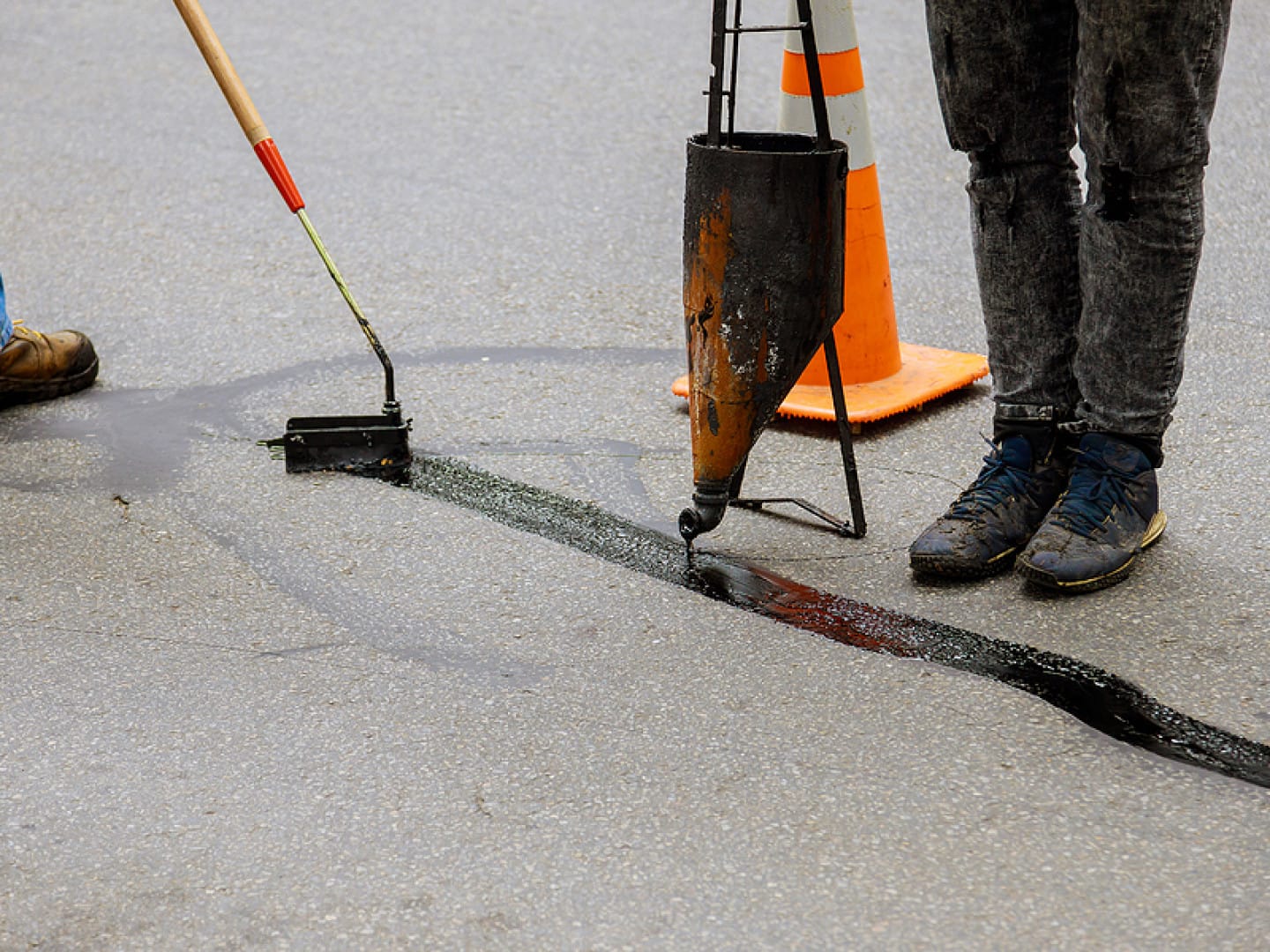
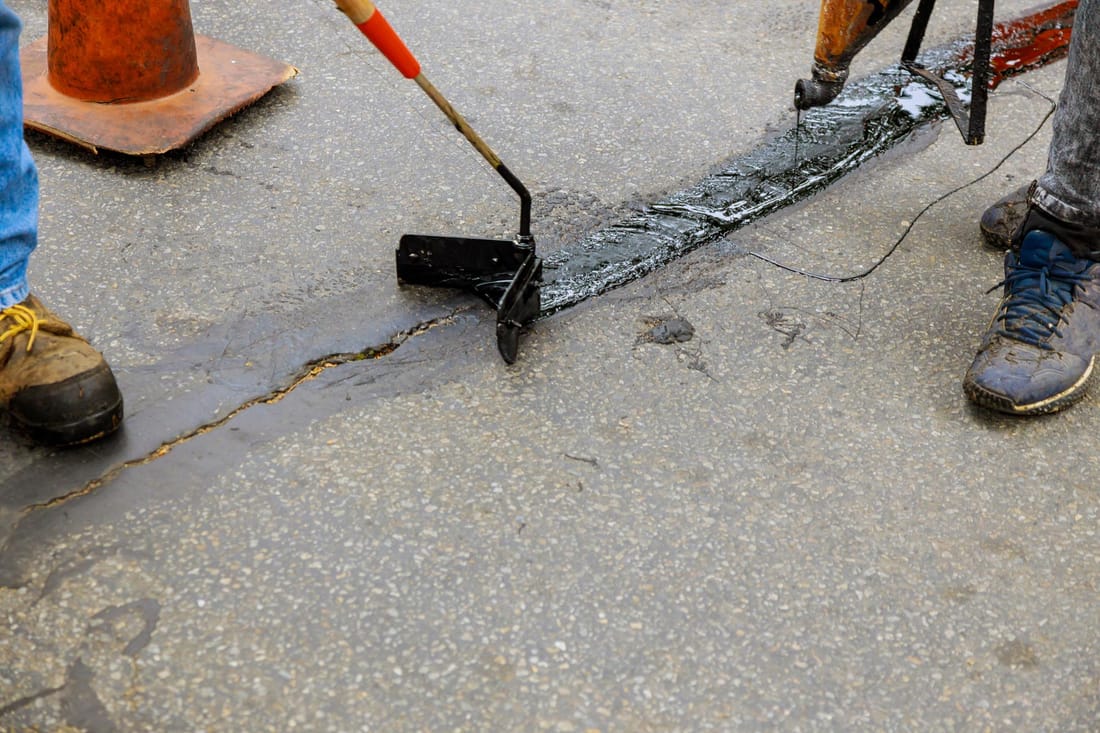
Crack filling comes before sealcoating. We clean cracks with compressed air, brushes, or routing if needed, then apply a hot rubberized crack sealant that flexes with temperature changes. In Atlanta we see a lot of block cracking from sun and fatigue cracks from delivery traffic. We heat the product to the manufacturer specified temperature, apply it by wand, and strike it smooth so tires will not pick it up.
Only after cracks are sealed and repairs are cured do we apply the sealcoat. For most driveways we use a refined coal tar or asphalt emulsion sealer blended with sand and latex additive for traction and durability. We cut in edges by hand with brushes near concrete, buildings, and landscaping, then use spray or squeegee machines for the main field, depending on the texture and slope of the pavement. Many jobs receive two thin coats instead of one thick coat, which dries more evenly and lasts longer.
Materials we use and how Atlanta’s climate affects your choices
Different sealcoat materials perform differently in North Georgia’s weather. Coal tar based sealers resist petroleum spills very well, which is ideal for gas stations and busy parking lots in Atlanta, but they can have more odor during application. Asphalt emulsion sealers have lower odor and are a good fit for residential driveways and HOA communities that are sensitive to smell.
Precision Asphalt Atlanta selects the product based on how your pavement is used. For example, a Sandy Springs apartment complex with constant delivery traffic may get a heavy duty mix with extra sand for traction and wear resistance. A quiet Johns Creek cul de sac driveway may use an emulsion-based sealer that blends aesthetically with the neighborhood and satisfies HOA appearance guidelines.
Our sealcoat blends are adjusted for heat and humidity. In summer, Atlanta surfaces can exceed 130 degrees, which affects cure time. We control water content and additives so the sealer does not flash dry on top and stay soft underneath. We also watch the dew point and afternoon storm patterns. If the forecast shows a high chance of pop up thunderstorms, we reschedule instead of risking wash-off that would waste your money.
We also address reflective heat around white buildings and bright concrete, which can speed up surface drying. On these projects we may recommend earlier morning applications, allowing the material to set evenly before the hottest part of the day.
What affects the cost of asphalt sealcoating and crack filling
Pricing is not just about square footage. Precision Asphalt Atlanta considers several factors so you understand exactly what you are paying for and why.
Surface condition plays a major role. Pavement with many open cracks, raveling, and patching needs will cost more per square foot than a newer surface needing only a straightforward seal. Hot rubber crack filler, patching mixes, and primers all add material and labor time but make a big difference in life expectancy.
Layout and accessibility affect labor. Wide open shopping center lots are faster and more efficient to seal than small, chopped up areas with islands everywhere and tight access, like older intown Atlanta properties. Driveways on steep hills or with limited parking may require more hand work and traffic control, which increases time on site.
Material selection is another cost driver. Higher solid content sealers, extra coats, or specialty mixes for high traffic or fuel resistance cost more upfront but extend the time between sealcoat cycles. We always quote options, such as a base package and an upgraded long life option, and explain the realistic payback period so you can choose on facts, not sales pressure.
Scheduling and phasing can also influence price. For businesses that need sections kept open, we may phase work over multiple mobilizations, which adds some cost but allows you to stay operational.
Scheduling, closures, and what Atlanta property owners should expect
Sealcoating and crack filling require planning around traffic, deliveries, and trash service. Precision Asphalt Atlanta works with homeowners, property managers, and business owners to set realistic timelines and access plans.
For residential driveways, you should plan to keep vehicles off the surface for at least 24 hours in warm, dry weather and sometimes up to 48 hours in cooler or more humid conditions. We recommend moving vehicles to the street before our crew arrives and notifying any regular service providers, like lawn care crews, that the driveway will be closed.
Commercial properties often require staging in phases. We coordinate with you to create a color coded site plan that shows which parking sections will close on which days. We place temporary signage, caution tape, and barricades so customers and tenants understand where to park and which drive lanes are open. On some Atlanta retail centers we schedule work for overnight or early morning hours to reduce business disruption, depending on local noise ordinances.
HOAs in Atlanta and neighboring cities may require advance notice to residents, specific work hours, and certain color or striping standards. We can supply property managers with notices and maps to email or post, and we follow City of Atlanta and local jurisdiction rules for blocking fire lanes and handicap spaces so you remain compliant.
Why choose Precision Asphalt Atlanta for sealcoating and crack repair
Many companies treat asphalt sealcoating as a side job. Precision Asphalt Atlanta focuses on pavement preservation as a core service. Our crews are trained specifically in crack filling and sealcoating techniques, and we do not skip prep steps to move faster.
We use manufacturer specified dilution rates and mix designs, which means we do not water down sealer just to win a low bid. Our tanks are mechanically agitated so the sand and additives stay in suspension and your surface gets a consistent, even protective layer from edge to edge.
Before any work begins, we walk the project with you, explain where crack filling or patching is required, and outline the traffic control plan. After completion, we check for missed cracks, thin spots, or tracking at entrances and correct them before final sign off. On commercial jobs, we can follow sealcoating with restriping so your lot is ready for business without multiple contractors to manage.
Most importantly, we are straightforward about when not to sealcoat. If your asphalt is at the end of its life, we will recommend the right repair or resurfacing solution instead of applying a cosmetic layer that will fail quickly. This approach has kept our Atlanta customers returning for routine maintenance instead of surprise emergencies.