Home › Commercial Asphalt Resurfacing & Overlays
Precision Asphalt Atlanta performs commercial asphalt resurfacing in Atlanta, GA to renew aging parking lots and drives. We repair structural issues, then install an asphalt overlay or mill and overlay for a like new surface. Resurfacing improves ride quality and appearance at a lower cost than full reconstruction. Our team evaluates your pavement to ensure your property is a strong candidate for commercial asphalt overlays.
Precision Asphalt Atlanta provides professional commercial asphalt resurfacing throughout Atlanta, GA, Georgia and the surrounding area. Our licensed, insured crew delivers safe, clean, on-time work with a free estimate before anything begins. Call (470) 683-6069 or request your free quote.
Commercial Asphalt Resurfacing for Atlanta Properties
Commercial asphalt resurfacing is often the most cost‑effective way to restore worn parking lots and drive lanes in Atlanta without paying for a full tear‑out and replacement. Precision Asphalt Atlanta focuses on business properties, so our resurfacing and overlay work is planned around your customers, delivery trucks, and daily traffic.
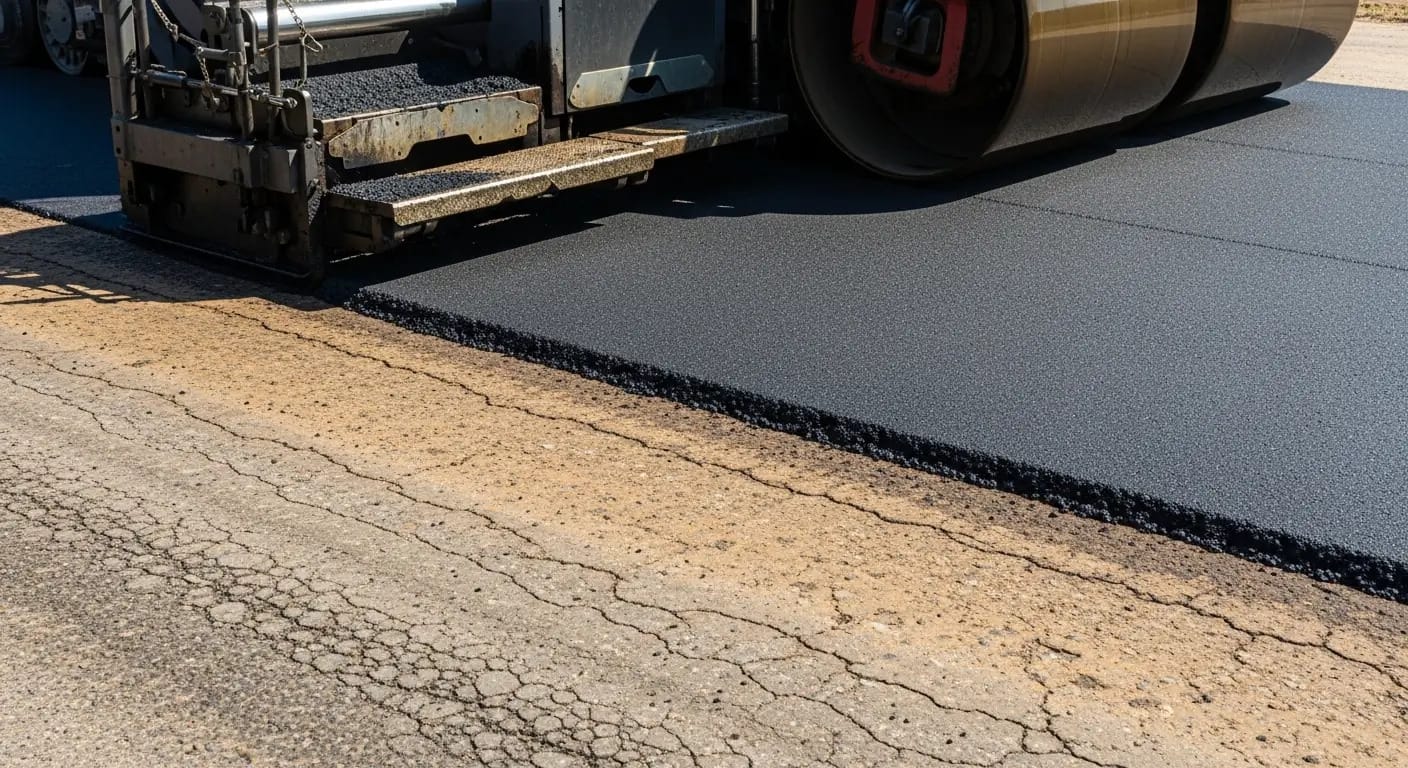
In metro Atlanta, most commercial lots need major attention every 12 to 20 years because of sun exposure, temperature swings, and heavy vehicles. Resurfacing means grinding or cleaning the existing asphalt, repairing structural issues, then installing a new asphalt layer on top. When it is done correctly, a commercial overlay can add 8 to 15 years of life to your pavement.
Our team looks at how your site actually operates. For example, a busy shopping center on Memorial Drive with constant vehicle turnover needs a different resurfacing plan than a gated office park in Sandy Springs that empties at 6 p.m. We schedule work in sections, redirect traffic, and use fast‑curing materials where needed so your business can keep operating.
How We Evaluate Your Lot for Resurfacing or Overlay
Before we suggest commercial asphalt resurfacing, Precision Asphalt Atlanta performs a detailed site evaluation. The goal is to confirm that your current pavement is a good candidate for an overlay, instead of selling you on a solution that will not hold up.
We walk the entire lot and mark out alligator cracking, rutting in wheel paths, settled areas where water sits after a storm, and previous patch locations. In Atlanta, we pay special attention to low spots near storm drains, because sudden heavy rain can flood areas that look fine on a dry day.
Next, we check pavement thickness and base condition. In high‑traffic locations like distribution centers, we may recommend core samples to verify the depth of existing asphalt and the strength of the stone base. If the base is pumping or the asphalt is crumbling through the full depth, those sections need to be milled out and rebuilt, not simply overlaid.
We also look at site drainage, curb elevations, and transitions to city streets. The new asphalt overlay must not raise the surface above concrete gutters, sidewalk ramps, or building thresholds. If adding asphalt would trap water or create trip hazards, we plan for targeted milling to keep elevations correct.
Step‑by‑Step: Our Commercial Resurfacing & Overlay Process
Precision Asphalt Atlanta uses a consistent, job‑tested process for commercial asphalt resurfacing so you know what to expect from start to finish.
1) Phasing and traffic plan: We divide the property into phases, identify fire lanes and required access points, and coordinate with your tenants or facility manager. For example, we might resurface the back drive during business hours, then tackle the front customer parking areas in the evening or on a weekend.
2) Surface preparation: We begin by machine cleaning and power sweeping the lot to remove sand, leaves, and debris. Oil‑soaked areas are treated or milled out so the new asphalt can bond. If needed, we bring in a milling machine to grind down rough or high areas, usually 1 to 2 inches, to make room for the overlay and correct drainage.
3) Structural repairs: Large potholes, base failures, and deep alligator cracks are cut out with a saw, excavated, and rebuilt with new base stone and hot mix asphalt. Any catch basins or manholes that have settled are reset to match the final surface height.
4) Tack coat: We apply a uniform tack coat, a thin layer of asphalt emulsion, over the existing pavement. This tack is what bonds the old surface to the new overlay. Skipping or skimping on tack is a common shortcut that leads to delamination. We use calibrated distributors to ensure coverage.
5) New asphalt overlay: Hot mix asphalt is delivered from local Atlanta plants and placed with a paver in one or more lifts, usually 1.5 to 3 inches thick depending on traffic load. Heavier truck lanes might receive a thicker structural overlay than standard parking bays.
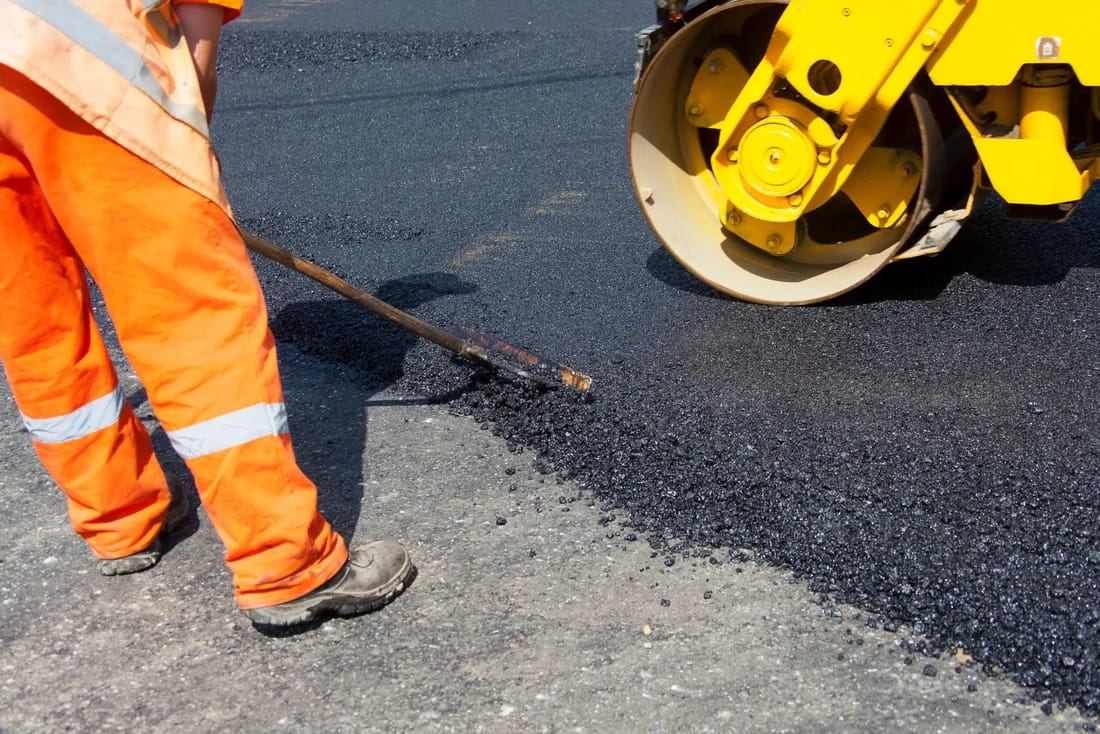
6) Compaction: Steel drum and pneumatic rollers compact the overlay while it is at the right temperature window. Proper rolling is critical for long life and a smooth ride. We monitor temperatures and roller passes so the mat is dense, with minimal air voids.
7) Final cleaning and striping: Once cooled, we broom or blow the surface clean and restripe the lot with ADA compliant markings, fire lanes, arrows, and any custom stenciling your property requires.
Material Options and Design Choices for Atlanta Businesses
Commercial asphalt resurfacing is not one‑size‑fits‑all. Precision Asphalt Atlanta helps you choose mixes and design details that fit your property type, traffic, and budget.
For retail centers with steady car traffic and occasional box trucks, we usually recommend a dense‑graded hot mix overlay, often with a slightly higher asphalt binder content to better resist raveling from summer heat and turning movements. In loading docks and dumpster pads, we may specify a thicker overlay or integrate heavy‑duty base repairs instead of treating everything the same.
Atlanta’s climate brings intense sun, high humidity, and episodes of freezing in winter. To handle this, we work with local asphalt suppliers to use mixes that balance flexibility and rut resistance. In shaded lots under large trees, we may adjust the surface texture and slope to reduce the chance of algae and standing water.
Design is not only about structure, it is also about how people move through your site. During a resurfacing project, many owners choose to adjust striping layout to improve traffic flow, add pedestrian crosswalks, or reconfigure spaces near building entries. We can help re‑layout your parking to meet current ADA requirements, add EV charging spaces, or better accommodate rideshare and food delivery pickup zones.
Costs, Pricing Drivers, and How to Budget
The cost of commercial asphalt resurfacing in Atlanta is driven by several specific factors, not just square footage. Precision Asphalt Atlanta walks you through these so you can plan a realistic budget and compare bids accurately.
Depth of overlay: A 1.5 inch overlay over sound pavement will cost less per square foot than a 3 inch overlay designed to handle constant tractor‑trailer traffic. However, going too thin to save money can shorten pavement life dramatically.
Amount of base repair and milling: If a large portion of your lot has base failures or needs pre‑milling to correct drainage, that work may account for a significant part of the budget. We break out these line items so you see exactly where the costs sit.
Access limitations and phasing: Night work, tight access for trucks, or complicated phasing around 24‑hour businesses can add to labor and traffic control needs. For example, resurfacing a medical office with ambulance access requirements takes more planning than a standard office lot.
Local requirements: Some municipalities in the Atlanta area require specific striping, fire lane markings, or permitting when changing access points. We factor those details into our proposals so you are not surprised later.
We provide written proposals with unit pricing for overlay thickness, milling depth, and base repair quantities. That way, if you want to adjust the project scope, you understand the cost impact.
Common Overlay Problems and How We Prevent Them
Commercial asphalt overlays can fail early if they are installed on the wrong base or if shortcuts are taken. Precision Asphalt Atlanta focuses on preventing the issues we see most often in this region.
Reflective cracking: If cracks in the old pavement are not properly treated, they can reflect up through the new overlay within a couple of seasons. We clean, fill, and in some cases mill and patch larger crack areas before overlaying. On heavily cracked main drive lanes, we may recommend fabric or a thicker structural overlay to slow crack reflection.
Slippage and shoving at intersections or stop bars: Without adequate tack coat or compaction, overlays can slide and form ridges where vehicles brake and turn. We make sure the surface is clean, the tack covers the full area, and we use the correct roller pattern near high‑stress points like busy entrances and truck turnouts.
Drainage and ponding: Putting new asphalt on top of old low spots simply moves the water line up. We correct these with pre‑milling and patching so the finished surface sheds water toward inlets and gutters. After the overlay, we walk the site to confirm water flow and make small corrections before striping if needed.
Edge failures at transitions: Where your lot meets city streets, concrete aprons, or neighboring properties, sloppy transitions can ravel or create bumps. We saw cut and tie into existing surfaces cleanly, adjust structures to proper height, and seal joints so water does not seep in and undermine the edge.
What Atlanta Property Managers Should Ask Before Hiring
Choosing the right contractor for commercial asphalt resurfacing in Atlanta can mean the difference between a lot that lasts 12 years and one that starts failing in 3. Precision Asphalt Atlanta encourages you to ask any contractor detailed questions, including us.
Ask how they determine whether your lot is a good overlay candidate. If the answer is only about appearance and not about base condition, drainage, and structural cracking, be cautious.
Request specifics on overlay thickness, tonnage, and repair quantities in writing. A one‑line price for “resurface parking lot” tells you very little about what you are actually getting.
Confirm how they will phase the work and maintain access for tenants, customers, and emergency vehicles. Experienced commercial crews will have clear traffic control plans, barricades, and signage ready.
Find out where the asphalt is coming from and what mix design they plan to use. Local plants around Atlanta supply a variety of mixes, and the right choice should match your traffic and budget, not just whichever mix is cheapest that day.
Finally, ask for recent commercial references in metro Atlanta, ideally properties with similar use, such as churches, schools, retail centers, business parks, or industrial yards. A contractor who routinely performs overlays for these clients will understand the scheduling, safety, and performance expectations involved.