Home › Commercial Gravel-to-Asphalt Conversions
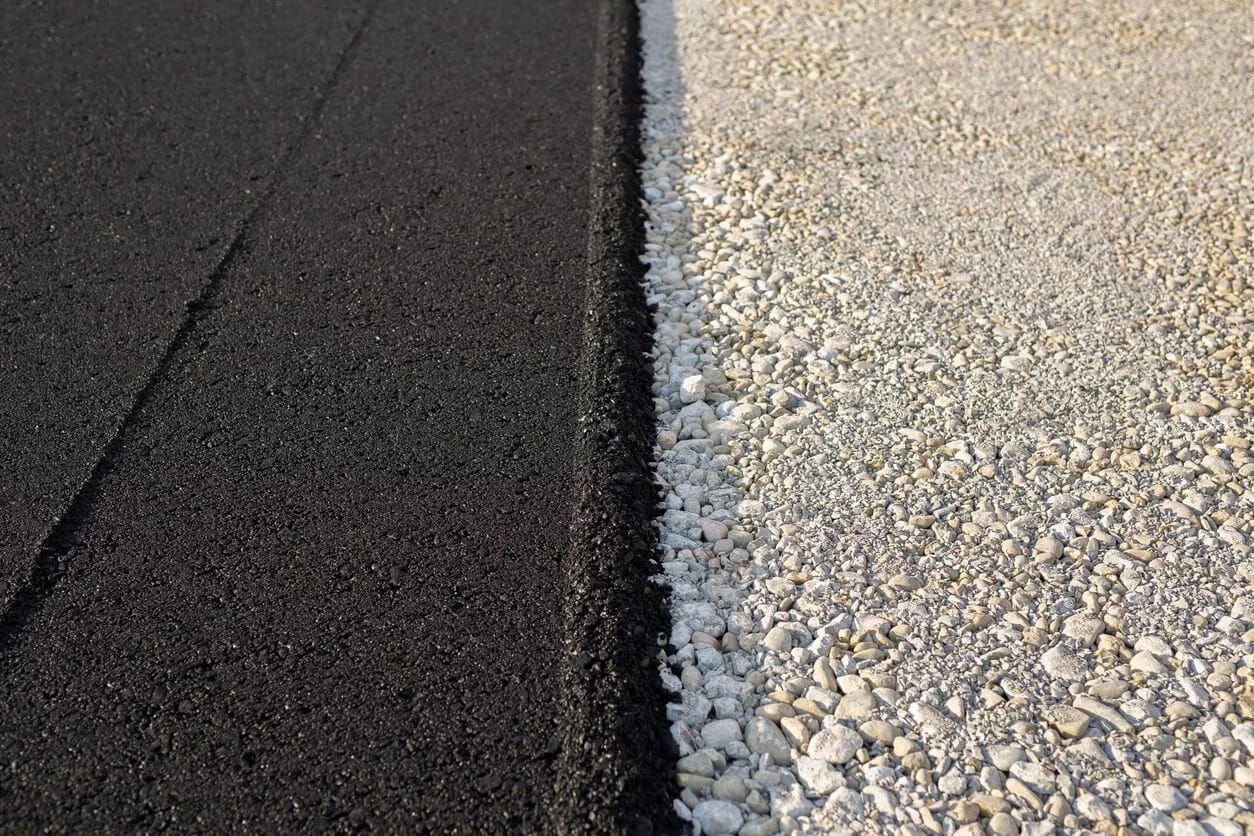
Precision Asphalt Atlanta performs commercial gravel to asphalt conversion in Atlanta, GA for lots, drives, and private roads. We regrade existing gravel, install a strong base, and pave with new asphalt to create a clean, low maintenance surface. Converting from gravel reduces dust, mud, and ongoing grading costs. Upgrade your commercial property with a professional asphalt surface that looks better and holds up to traffic.
Precision Asphalt Atlanta provides professional commercial gravel to asphalt throughout Atlanta, GA, Georgia and the surrounding area. Our licensed, insured crew delivers safe, clean, on-time work with a free estimate before anything begins. Call (470) 683-6069 or request your free quote.
Commercial Gravel-to-Asphalt Conversions for Atlanta Properties
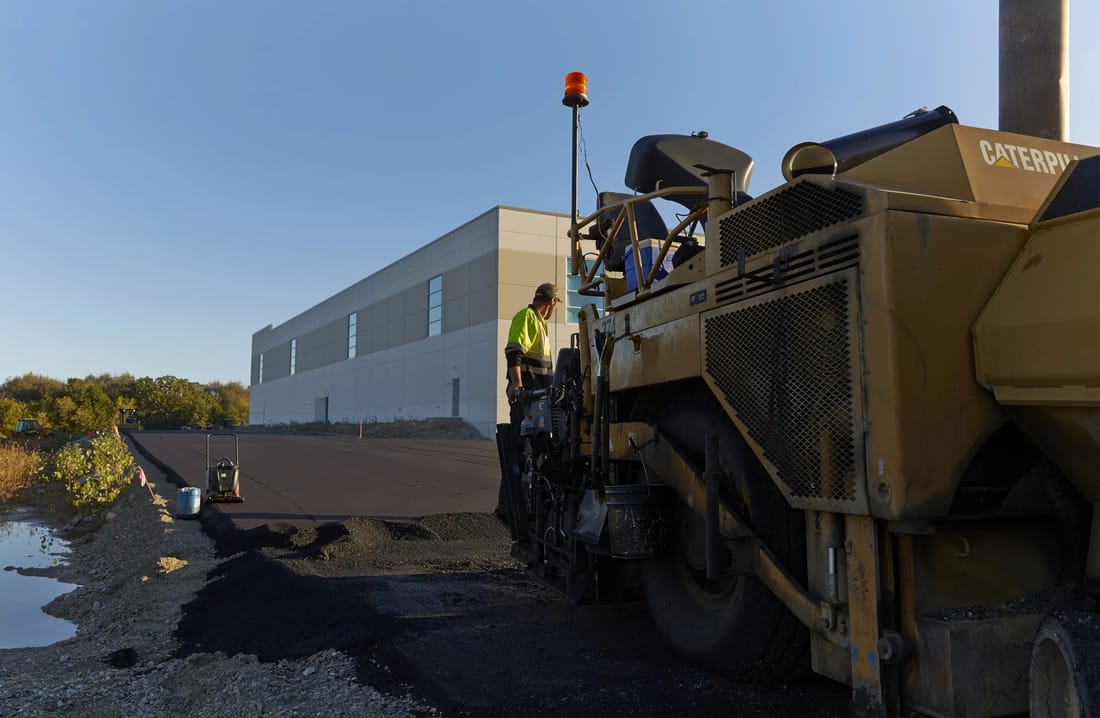
Gravel lots can work for a while, but in Atlanta’s climate they often turn into rutted, muddy, dust-filled maintenance headaches. Precision Asphalt Atlanta focuses on commercial gravel to asphalt conversions that transform loose aggregate areas into durable, professional asphalt surfaces that fit the way your business really operates.
We work with a wide range of Atlanta, Georgia properties, including office parks along the Perimeter, neighborhood retail centers, industrial sites near Fulton Industrial and S Fulton Parkway, older in-town buildings with gravel rear lots, churches, schools, and multifamily communities. Each property has different traffic patterns, soil conditions, and drainage challenges, so we design every conversion project around how your site is used day to day.
Our goal is more than just “paving over” gravel. We evaluate what is underneath, how water moves across the site, and how heavy your traffic is, then build an asphalt section that lasts. This approach reduces potholes and rutting, keeps customers and employees safer, and gives your property the finished, professional look that tenants and visitors expect in the Atlanta market.
Site Evaluation and Planning for Gravel-to-Asphalt Projects
Every commercial gravel to asphalt project we perform in Atlanta starts with a detailed site walk. A Precision Asphalt Atlanta project manager meets you on-site to review how the area is used: where customers enter and exit, where trucks turn, how deliveries are made, and which areas flood or stay soft after storms.
We take note of existing gravel depth, visible base failures, standing water, and how close the lot sits to structures or public sidewalks. In many Atlanta parking areas, especially around older brick buildings and mid-century commercial strips, drainage was never engineered for asphalt, so we pay close attention to slopes and low spots.
Our team may recommend small layout changes before paving, such as shifting parking islands, reconfiguring drive lanes to reduce tight turning that destroys pavement, or adding concrete dumpster pads and loading zones where steel wheels or heavy point loads would quickly damage asphalt. When needed, we coordinate with local engineers for more complex drainage or grading issues.
From this evaluation we prepare a written proposal that describes thicknesses, any undercut or base rebuilding, drainage corrections, and striping layout so you know exactly what you are buying before work begins.
Subgrade, Base, and Drainage: The Foundation of a Long-Lasting Conversion
The biggest mistake in commercial gravel to asphalt work is skipping base preparation. In metro Atlanta we deal with a mix of hard red clay, soft fill placed during earlier construction, and occasionally silty or organic soils that hold water. Simply compacting the existing gravel and paving over it often leads to cracks and potholes within a couple of years.
Precision Asphalt Atlanta begins by stripping loose or contaminated gravel and proof-rolling the area with heavy equipment. This exposes soft pockets and pumping soils. Where we see deflection, we undercut those weak areas, remove unsuitable material, and replace it with graded aggregate base (GAB) that meets Georgia DOT standards.
We then shape the lot to achieve proper drainage, typically aiming for at least 1 to 2 percent slope toward catch basins or swales. In many Atlanta properties, especially tight in-town sites, we may need to add or adjust catch basins, curb cuts, or valley gutters to move water off the pavement efficiently. Ponding water shortens asphalt life, so we address these issues up front.
Once grading is complete, we install and compact new GAB to the specified thickness, which is often 4 to 8 inches for light to medium duty lots and more for heavy truck areas. The base is compacted in lifts to achieve a tight, stable foundation. Only after density and grades are correct do we move to the asphalt phase.
Asphalt Design Options for Different Commercial Uses
Not every commercial lot needs the same asphalt structure. During your gravel to asphalt conversion, we match asphalt mix and layer thickness to how your lot is used instead of applying a one-size-fits-all section.
For office and retail parking serving mostly passenger vehicles, Precision Asphalt Atlanta typically recommends a binder course (often 1.5 to 2 inches) with a finer surface course (another 1.5 to 2 inches) on top. This two-layer system helps resist cracking and raveling while providing a smooth finish for pedestrians and carts.
For industrial yards, distribution centers, and areas that see regular tractor trailer traffic (common around Fulton Industrial and near I-75/I-85 corridors), we often increase total asphalt thickness to 4 to 6 inches or more, and may specify a heavier-duty mix with larger aggregate. We also commonly add thicker base rock and consider reinforced sections near dock aprons.
In multifamily and mixed-use developments, design may vary within a single project. We might use a standard section in general parking, a thicker design at dumpster enclosures, and compacted aggregate with geotextile in overflow parking or low-use areas to manage cost while still upgrading critical routes to asphalt.
Color and finish choices are more limited with asphalt compared to decorative pavements, but we can use striping layouts, wheel stops, and concrete accents to improve appearance. For properties in historic intown neighborhoods, we pay special attention to transitions at brick, stone, and older concrete so the new asphalt looks intentional, not patched in.
What Drives Cost in Commercial Gravel-to-Asphalt Conversions
The cost of converting a gravel lot to asphalt in Atlanta depends on several technical factors, not just square footage. During estimating, Precision Asphalt Atlanta explains where your dollars are going so you can prioritize work areas if needed.
Subgrade condition is usually the biggest cost driver. If your gravel lot has been in place for many years with good drainage, we may be able to reuse much of the existing base with limited undercut. If the area stays muddy for days after rain, or if heavy trucks have created deep ruts, we may need deeper excavation and more new base stone.
Access and phasing also affect pricing. Tight in-town sites, shared driveways, and active shopping centers often require night or weekend work, smaller equipment, or multiple phases to keep businesses open. That adds labor and mobilization costs, but we plan these details with you so operations remain safe and functional.
Other cost components include thickness of asphalt and base, the need for new or adjusted curbing and drainage, striping and signage, ADA upgrades at accessible parking, and any required permitting with the City of Atlanta or nearby jurisdictions like Sandy Springs or Decatur. We provide clear line items for these so you can see options, such as phasing work over two budget years or upgrading only the highest impact areas first.
Common Issues With Gravel Lots and How We Solve Them
Atlanta commercial property owners usually consider a gravel to asphalt conversion because of recurring problems that gravel cannot solve. Precision Asphalt Atlanta addresses these issues directly in our design and construction process.
Dust and mud are top complaints. Gravel drives dust into storefronts and HVAC equipment in dry weather, then turns into mud that tracks into buildings after storms. A well designed asphalt surface with proper drainage eliminates most of this housekeeping headache and creates safer, cleaner entry paths.
Rutting and potholes from delivery trucks and garbage trucks are another chronic problem. Instead of just paving over the ruts, we identify truck routes and reinforce those travel paths with thicker base and asphalt, or add concrete pads at high stress points. This targeted strengthening keeps maintenance costs lower over time.
Drainage trouble spots are very common in Atlanta, especially on older gravel lots built without engineering. Before paving, we correct grades where feasible, add surface drains or swales, and sometimes install French drains or underdrains where groundwater is an issue. The result is a lot that sheds water quickly rather than turning into a pond after every thunderstorm.
We also plan ahead for future repairs. By documenting base and asphalt thickness and traffic patterns, we can later mill and resurface high wear areas without rebuilding the entire structure, which protects your initial investment.
What to Expect When You Work With Precision Asphalt Atlanta
Converting your commercial gravel lot to asphalt is a construction project that affects tenants, customers, and deliveries, so clear communication is critical. Precision Asphalt Atlanta provides a project schedule that includes mobilization, base work, paving, striping, and cure times, and we coordinate it with your peak business hours.
Before work starts, we help you plan temporary parking or access routes and provide notice templates for tenants or customers so everyone knows when sections will be closed. On schools, churches, and medical offices, we often schedule the heaviest work during breaks or lighter patient days to minimize disruption.
During construction, our superintendent remains on-site or on-call to answer questions, adjust phasing if weather shifts, and walk completed areas with you. Atlanta weather can change quickly, so we monitor forecasts closely and avoid paving when temperatures or rain risk would compromise the asphalt.
After the asphalt is placed and cooled, we stripe and sign the lot, including ADA compliant parking spaces, crosswalks, and fire lanes as required. We then review maintenance recommendations, such as when to consider sealcoating, how to manage deicing in rare ice events, and what to watch for with heavy vehicles.
Our relationship does not end on the final day. We are a local Atlanta company, so we are available for follow-up questions, small adjustments, or future expansions as your property needs evolve.