Home › Gravel-to-Asphalt Conversions
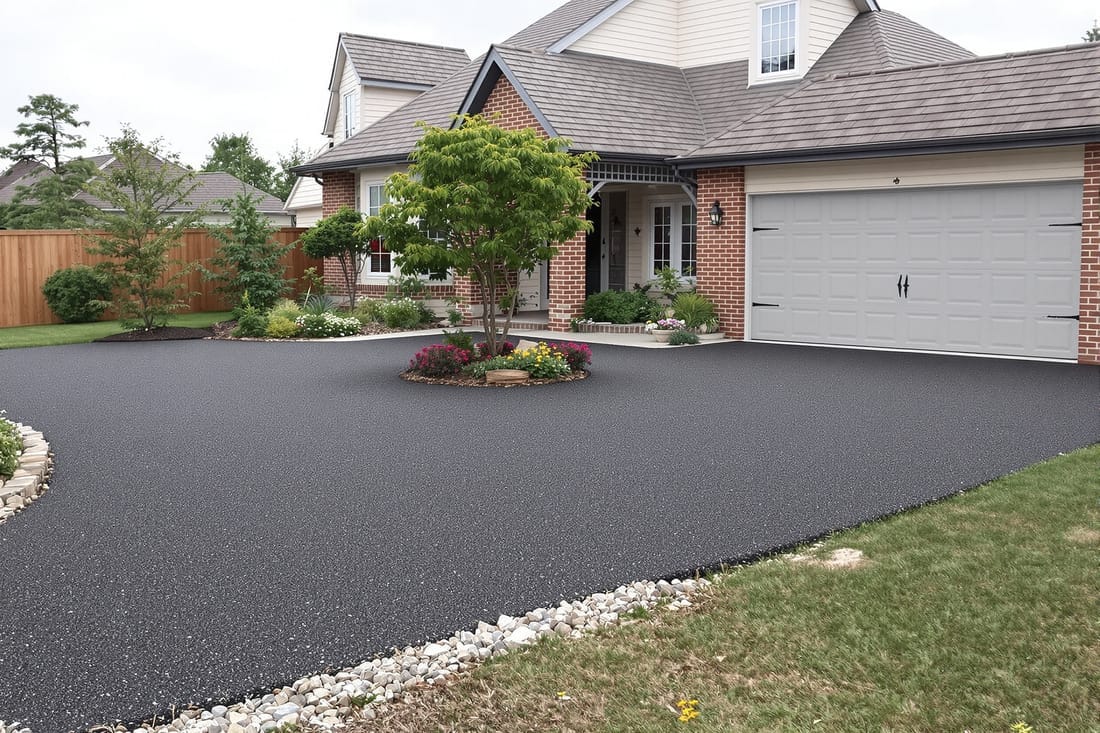
Precision Asphalt Atlanta specializes in gravel to asphalt driveway conversion in Atlanta, GA for cleaner, easier access to your home. We regrade your gravel drive, improve drainage, and add a solid base before paving with new asphalt. Converting from gravel reduces dust, mud, and ruts while giving your property a polished look. Enjoy a smoother drive and less maintenance with a professionally installed asphalt surface.
Precision Asphalt Atlanta provides professional gravel to asphalt driveway throughout Atlanta, GA, Georgia and the surrounding area. Our licensed, insured crew delivers safe, clean, on-time work with a free estimate before anything begins. Call (470) 683-6069 or request your free quote.
Turn Your Gravel Driveway Into Smooth Asphalt in Atlanta
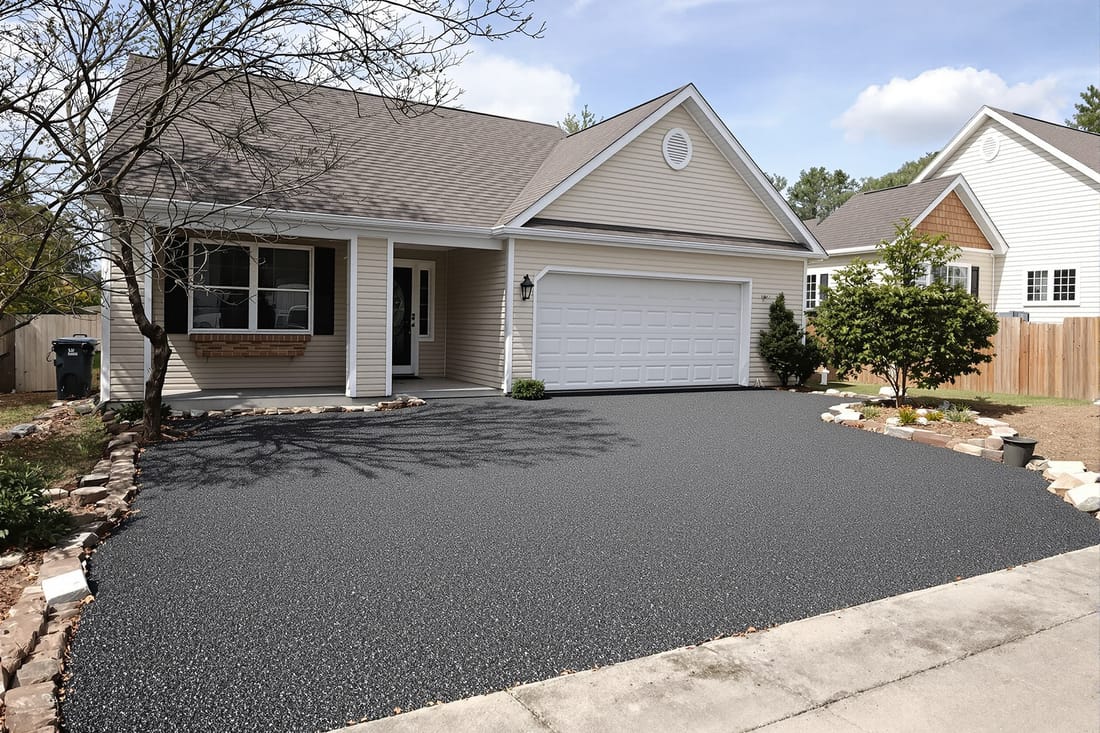
If you are tired of dust, ruts, and loose rock every time you pull into your driveway, converting gravel to asphalt can be a big upgrade for your Atlanta property. Precision Asphalt Atlanta focuses on taking existing gravel driveways and turning them into smooth, durable asphalt surfaces that work with the clay soils and weather we have across the metro area.
We work on everything from narrow intown driveways in older Atlanta neighborhoods like East Lake and Kirkwood to long gravel drives on larger lots in areas like Douglasville, Powder Springs, and North Fulton. The starting point is always the same. We look at your existing gravel base, drainage, and how you actually use the driveway. Do you park heavy work trucks. Do you need a turnaround. Are there low spots that hold water after a thunderstorm. Those details decide how we build the new asphalt surface so it holds up.
Unlike putting new gravel down every couple of years, a properly built asphalt driveway creates a solid, consistent surface that is easier to snow shovel when we get the occasional ice event, easier for kids to ride bikes on, and cleaner around entry doors and garages. You also gain curb appeal, which can help with resale in older Atlanta homes where buyers expect paved driveways.
How We Convert Gravel to Asphalt, Step by Step
Gravel to asphalt driveway work is not just pouring blacktop over rocks. If the base is wrong, the asphalt will crack and rut. Precision Asphalt Atlanta follows a specific process that we adjust to each site.
First, we evaluate the existing gravel depth and the soil underneath it. In many Atlanta areas the subsoil is red clay, which holds water. Where we find soft spots or old fill dirt, we dig out and replace those areas with new crushed stone so the driveway will not sink later.
Next, we grade the driveway with a skid steer or motor grader. We establish a crown or a consistent slope to move water off the surface. On driveways that run downhill toward a garage or basement, we adjust slopes and sometimes recommend adding a small concrete gutter or a swale cut into the yard to divert water before it reaches the house.
Once grading is right, we compact the base with a vibratory roller until it is tight and does not rut under the machine. Usually we want 4 to 6 inches of compacted aggregate under a residential driveway in the Atlanta area. For heavier use, such as work trucks or RV parking, we may increase that.
We then apply a tack coat if we are tying into any existing asphalt or concrete. After that, we place hot mix asphalt using a paver where access allows, or by hand raking in tighter driveways. Residential gravel to asphalt driveway conversions typically use a 1.5 to 2.5 inch compacted asphalt layer. We finish by rolling the surface smooth and checking transitions to the road, garage slab, or walkways so there are no trip edges or tire-catching lips.
Design Choices, Thickness, and Options for Your New Asphalt Driveway
Not every gravel to asphalt driveway is built the same. The right design depends on traffic, slope, and how long you plan to stay in the home. Precision Asphalt Atlanta walks you through these decisions before any work starts.
Thickness is usually the most important factor. For a basic residential car-only driveway, a single 2 inch compacted asphalt layer over a solid base can work. For steeper intown lots, older homes with weaker subgrade, or homes where box trucks and delivery vehicles are common, we may recommend either a thicker single lift or a two-lift system with a base course and a finer top course.
You can also decide how you want edges treated. On larger lots, many homeowners are fine with compacted shoulders of crushed stone alongside the asphalt. In more finished landscapes or tighter Atlanta neighborhoods, we can saw-cut clean edges, add small concrete bands, or leave room for you or your landscaper to install brick or stone edging later.
Color is generally standard black when new, but it weathers to dark gray under Georgia sun. If you are worried about heat around kids playing or pets, we can discuss lighter aggregate mixes or sealing schedules that help manage surface temperature. We also talk about where to place joints and how to tie into existing asphalt or concrete so the new work does not look like an obvious patch.
For long gravel drives that fork or loop, we can help you decide whether to pave every branch or only the main lane and leave some sections gravel to manage cost while still reducing dust and mud near the house.
Costs, Local Conditions, and Common Problems We Solve
Homeowners often ask what drives the cost to convert a gravel driveway to asphalt around Atlanta. The main factors are driveway length and width, how much base repair is needed, access for equipment, and whether drainage work is required. A straight, level driveway off a main street in a subdivision is usually less costly per square foot than a winding, sloped driveway in the older parts of town.
In this area we deal with certain recurring issues. One is poor drainage, especially in driveways that were originally cut without any thought to stormwater. If water currently sits on your gravel after a rain, we will likely need to correct slopes, add drains, or cut swales before paving. Skipping this step is what leads to potholes and cracking a year or two later.
Another issue is thin or contaminated gravel. We often see driveways where soil has pumped up through the gravel, or where the gravel layer is only an inch or two thick. In those cases, we either add and compact new aggregate or in bad spots excavate and rebuild the base. Precision Asphalt Atlanta will explain exactly where we need to do that so you know what you are paying for.
Tree roots are another Atlanta concern, especially in older neighborhoods with mature oaks and pines near the driveway. We look for root heaving and discuss options. Sometimes we re-route the driveway slightly, sometimes we remove surface roots and strengthen the base with additional stone. We try to protect healthy trees while still building a surface that will not buckle in a few seasons.
Access can also affect cost. Narrow intown lots and driveways that run behind houses may require smaller equipment and more hand work. We plan for this in the estimate so you are not surprised later.
What to Expect From Precision Asphalt Atlanta and How to Prepare
When you schedule a gravel to asphalt driveway conversion with Precision Asphalt Atlanta, we start with a site visit, not a guess over the phone. We measure, check grades, and probe the base so we can give you a written proposal that spells out thicknesses, base work, and any drainage improvements. You will know what materials we plan to use and how many work days the project should take.
Before we mobilize, we ask you to move vehicles, trailers, and any portable basketball goals or storage pods out of the work area. If there are sprinkler heads along the driveway, we mark those together so they are not damaged during grading. For homes inside the city with limited street parking, we help you plan where to park while work is ongoing.
The actual conversion for a typical single-family driveway usually takes 1 to 3 days, depending on base repairs and weather. Day one is usually grading and base compaction. Asphalt paving generally happens on the final day so you are not without driveway access any longer than necessary.
After paving, we recommend keeping vehicles off the new asphalt for 24 to 48 hours in warm weather. You can usually walk on it the same day once the crew leaves, as long as you avoid turning on your heel or dragging heavy objects. For the first summer, we suggest being gentle with tight steering turns, especially from parked positions, to avoid scuff marks in hot afternoon temperatures.
We also go over maintenance. In our climate, a properly built asphalt driveway often benefits from its first sealcoat after 2 to 3 years, not right away. We explain how to handle small spills, such as leaked motor oil, and what early signs of a problem look like so you can call us while issues are still minor. Our goal is for your new asphalt surface to outlast the time you plan to own the home, with as little hassle as possible.