Home › Industrial and Heavy-Duty Asphalt Paving
Precision Asphalt Atlanta provides industrial asphalt paving in Atlanta, GA for truck yards, loading areas, and heavy equipment routes. We design thick, reinforced asphalt sections and strong bases to handle heavy wheel loads. Our team understands drainage, turning stresses, and loading dock demands for long term performance. Protect your operations with heavy duty asphalt paving built for industrial traffic.
Precision Asphalt Atlanta provides professional industrial asphalt paving throughout Atlanta, GA, Georgia and the surrounding area. Our licensed, insured crew delivers safe, clean, on-time work with a free estimate before anything begins. Call (470) 683-6069 or request your free quote.
Industrial Asphalt Paving in Atlanta Built for Heavy Loads
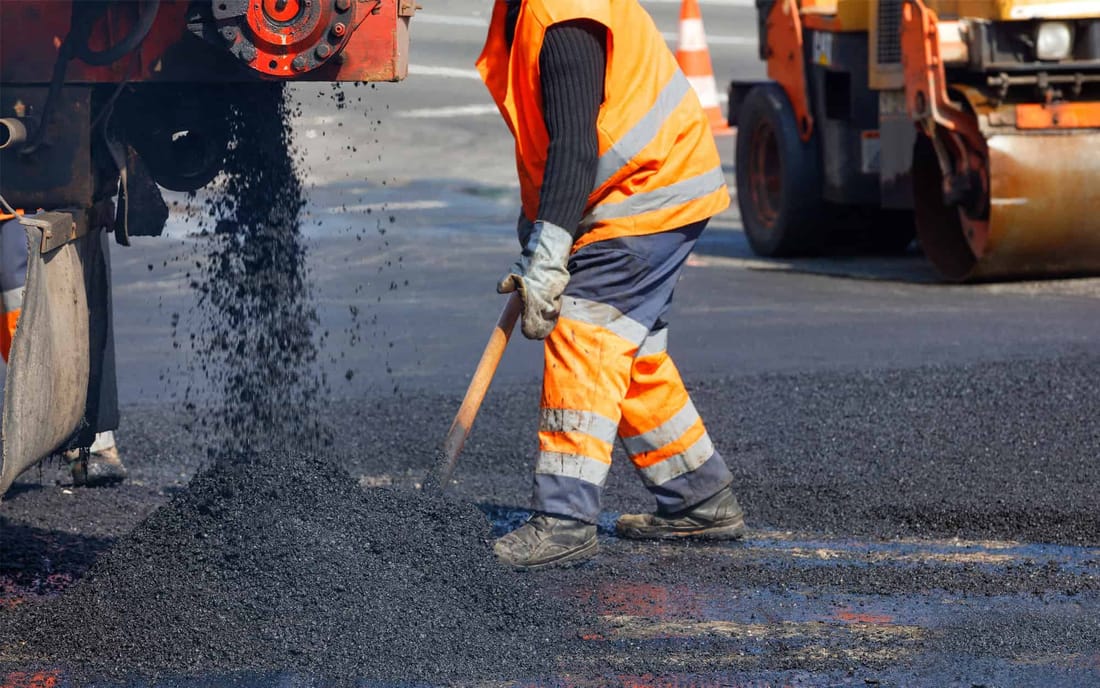
Industrial asphalt paving is different from a typical parking lot or driveway. At Precision Asphalt Atlanta, we design and build pavements that can handle constant truck traffic, forklifts, loaded trailers, and heavy equipment without rutting or breaking apart.
For facilities in and around Atlanta, GA, we start by asking how your site really operates. Do you have 18‑wheelers backing into docks all day, container yard stacking, or lift trucks turning in the same tight radius? Those details determine the pavement section, mix type, and thickness we recommend. A light‑use warehouse loading dock might need 6 to 7 inches of asphalt on a solid base, while a freight terminal or industrial yard can require 8 to 12 inches of asphalt with a reinforced base and carefully planned drainage.
Our goal is to give you a surface that keeps working through hot Georgia summers, heavy rains, and temperature swings, so you are not shutting down operations for constant patching or rework.
How We Design Heavy‑Duty Pavement for Your Facility
Industrial asphalt paving starts with design, not just putting down blacktop. Precision Asphalt Atlanta performs a site evaluation that includes subgrade conditions, traffic counts and types, turning patterns, and any existing failures like rutting, alligator cracking, or base pumping.
From there we build a pavement section that matches your loads. For many Atlanta industrial sites we use:
• Stabilized subgrade where clay soils are soft, often with lime or cement treatment or crushed stone to reduce movement from moisture.
• A thick aggregate base, commonly 8 inches or more of compacted graded stone in heavy truck areas, to spread out loads.
• Multiple asphalt lifts, for example a strong base course mix, an intermediate binder course, and a tighter surface course that resists fuel and oil.
We also plan for drainage and water movement around warehouses, terminals, and plants. Industrial pavements in Georgia fail early when water is trapped, so we integrate slope, inlets, and sometimes underdrains into the design so that water does not sit in wheel paths or at dock aprons.
Step‑by‑Step: What Happens During Industrial Asphalt Paving
When you hire Precision Asphalt Atlanta for industrial asphalt paving, you can expect a structured process that is scheduled around your operations to limit disruption.
1. Assessment and layout. We verify grades, locate utilities, and confirm truck paths and high‑stress zones such as fuel islands, loading docks, and forklift crossing points.
2. Demolition and excavation. If existing pavement is failing, we mill or remove it to the required depth. In some cases we can pulverize and reuse the old asphalt as part of the new base, which can help with both cost and stability.
3. Subgrade prep. We proof‑roll the soil and identify soft spots that need undercutting or stabilization. In Atlanta’s clay soils, this step is vital. Weak pockets are either removed and replaced with stone or treated so they do not pump and create potholes later.
4. Base installation and compaction. We place graded aggregate base in layers, compacting each lift with heavy rollers and checking density. For industrial work we hold tighter tolerances than typical parking lots because heavy loads exploit any weak points.
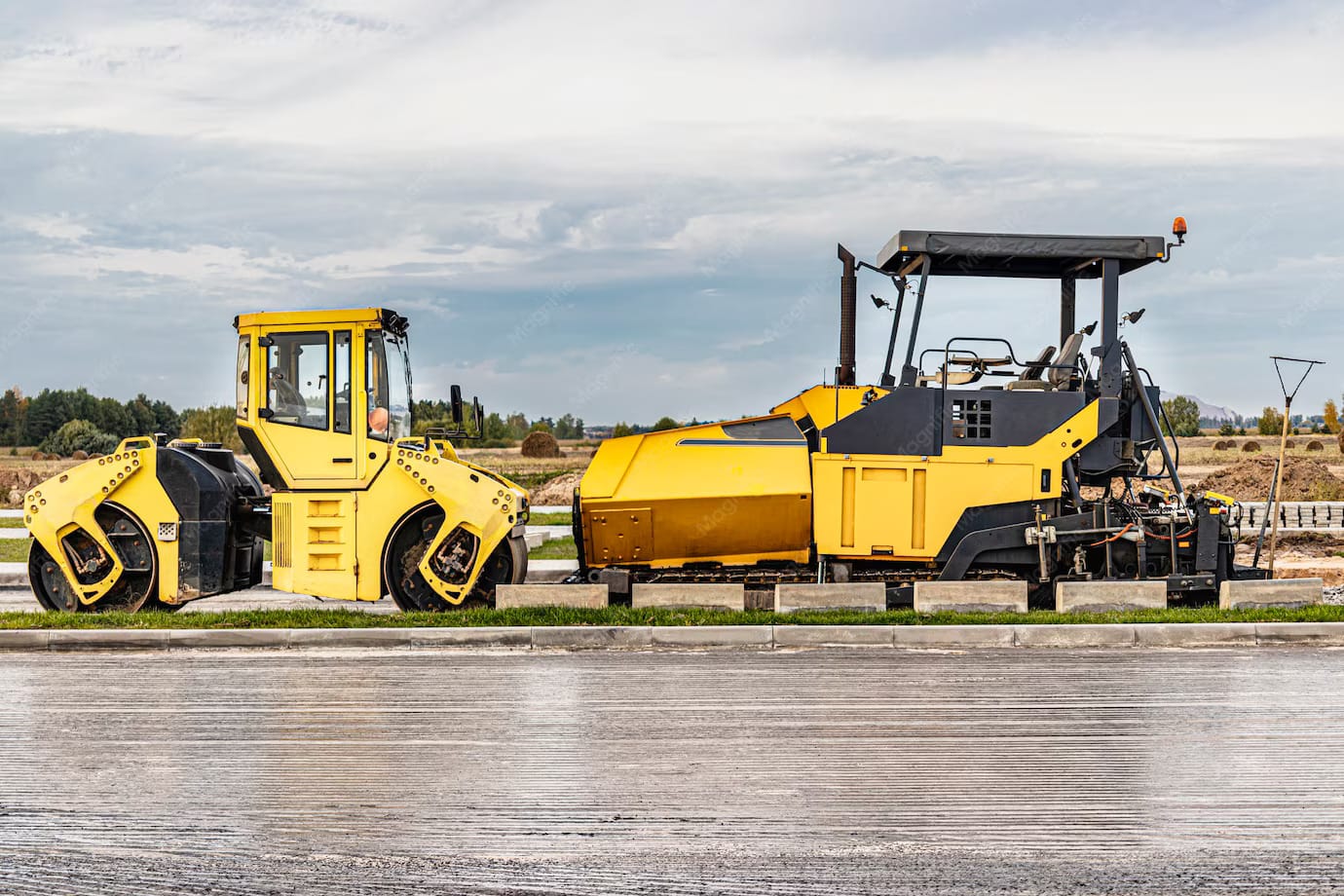
5. Asphalt placement in multiple lifts. We pave with industrial‑grade mixes using a self‑propelled paver, then compact with steel and pneumatic rollers. The number of lifts and total thickness depend on your load requirements. We keep joints staggered and away from wheel paths to reduce cracking.
6. Finishing, striping, and curing. Once surface compaction is confirmed, we handle striping, markings, and any concrete tie‑ins at docks or dumpster pads. We then coordinate opening the pavement to trucks based on temperature and thickness so you are using it as soon as it is ready, but not before.
Material Options and Mix Choices for Heavy‑Duty Asphalt
Industrial pavements need mixes that stand up to slow, heavy loads and high pavement temperatures. In Atlanta, summer surface temperatures on black asphalt can exceed 140°F, which softens weak mixes and causes ruts where trucks sit or turn.
Precision Asphalt Atlanta works with local plants to specify industrial mixes with higher quality aggregates and the right binder grades. For heavy truck yards we often use:
• Polymer modified binders to improve resistance to rutting and shoving under turning trucks and forklifts.
• Larger stone base mixes for the lower lifts to handle load distribution, topped with a tighter surface mix that sheds water and resists fuel.
• Special surface mixes in fueling areas and maintenance bays, plus concrete or thick asphalt at dumpster pads where point loads are extreme.
We explain your options in plain language. Sometimes it makes sense to invest more in the upper lifts where maintenance or downtime would be most costly. In other cases, such as low‑speed storage areas, we can value‑engineer the section and save you money without sacrificing performance.
Cost Drivers, Common Problems, and How We Prevent Early Failure
The cost of industrial asphalt paving in Atlanta is driven by thickness, base requirements, drainage work, and how much we need to do to correct existing failures. A 3‑inch overlay on a stable base is far less expensive than a full‑depth reconstruction that addresses bad subgrade, but putting a thin overlay on a failed base only delays the inevitable.
Before you commit to a budget, Precision Asphalt Atlanta will walk your site with you and point out what is driving cost. Examples include:
• Deep rutting in truck lanes, often meaning the base has been overstressed and may need partial or full replacement.
• Standing water around docks, which may require regrading or adding drainage structures so the new pavement does not fail in the same areas.
• Fatigue cracking in wheel paths, a sign that pavement thickness was underdesigned for the traffic loads.
In the Atlanta area, we also have to account for heavy rain events. Poorly drained industrial pavements pump water through cracks when trucks move across them, which accelerates base failure. Our crews seal joints properly, build cross‑slope into the mat, and recommend preventive maintenance schedules that include crack sealing and timely overlays, so your investment lasts longer and your yard stays operational.
Timing, Weather, and What Atlanta Clients Should Plan For
Industrial asphalt paving is sensitive to temperature and moisture, so project timing in Georgia matters. In the Atlanta climate, most heavy‑duty paving is ideal from late spring through early fall, when daytime temperatures support proper compaction and nighttime lows are not dropping too far.
We can and do pave outside these windows when necessary, but for critical industrial work we plan around:
• Rain patterns, since moisture in the base or trapped in layers can weaken the structure.
• Overnight temperatures that allow proper cooling and strength gain before trucks return to service.
• Your operational windows, such as weekend shutdowns or phased work in half a yard at a time so you can keep shipping and receiving active.
Precision Asphalt Atlanta builds detailed phasing plans for industrial clients. We coordinate with your site management to route trucks around work zones, protect critical access points like fire lanes and dock doors, and schedule noisy work for the least disruptive times. Before we mobilize, you will know what areas are affected each day, when they will reopen to traffic, and what your staff needs to do to keep things moving while we upgrade your pavement.