Home › Road, Street, and Municipal Paving
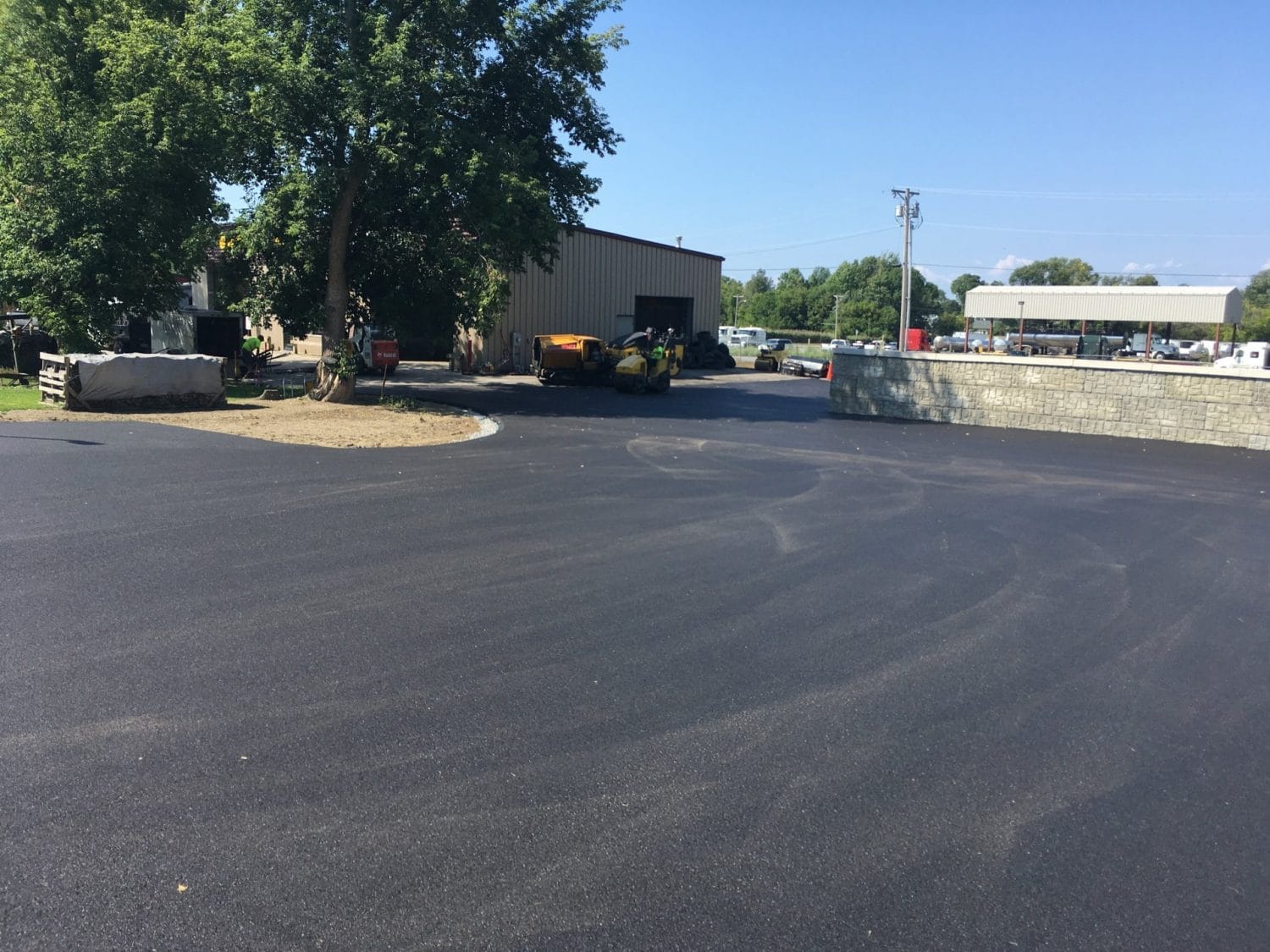
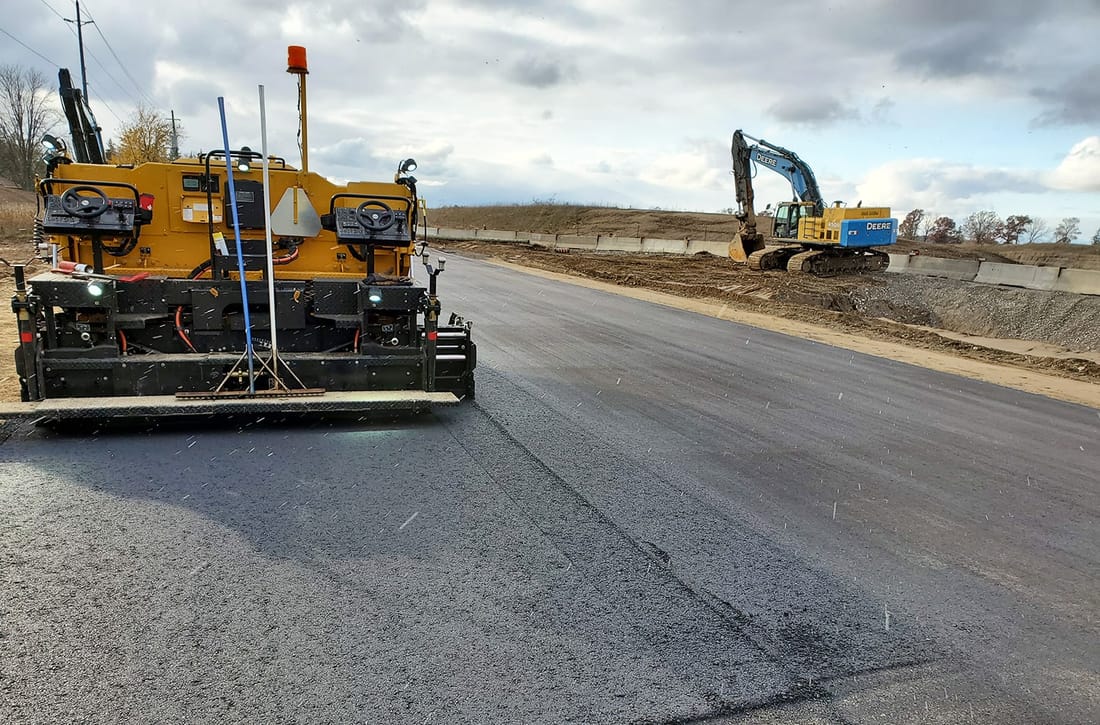
Precision Asphalt Atlanta provides road paving in Atlanta, GA for private streets, subdivisions, and municipal projects. Our crews and equipment handle milling, base preparation, and asphalt placement for smooth, durable roadways. We coordinate traffic control and phasing to keep access open while work is completed. From neighborhood streets to access roads, we deliver quality asphalt road construction that stands up to traffic.
Precision Asphalt Atlanta provides professional road paving throughout Atlanta, GA, Georgia and the surrounding area. Our licensed, insured crew delivers safe, clean, on-time work with a free estimate before anything begins. Call (470) 683-6069 or request your free quote.
Road, Street, and Municipal Paving in Atlanta, GA
Precision Asphalt Atlanta focuses on road paving that holds up under real Atlanta traffic and weather, not just something that looks good on day one. Whether you manage a city street, a subdivision, an industrial park, or a private road that ties into a county route, we design the pavement structure around the loads and conditions it will actually see.
In Metro Atlanta we deal with heavy summer heat, sudden thunderstorms, clay subgrades, and constant stop-and-go traffic. Those factors matter more than most people realize. A lightly traveled neighborhood street in East Atlanta or Decatur can use a different mix and thickness than a truck route near the I-285 perimeter or a cut-through road behind a warehouse. Our crews look at traffic counts, vehicle mix, drainage, and existing failures before recommending any paving plan.
For many local projects, we coordinate with HOAs, small municipalities, and private owners who still need to meet city or county tie-in standards. Precision Asphalt Atlanta can align your project with GDOT and City of Atlanta guidelines where required, including appropriate asphalt mix types, compaction targets, and striping layouts that meet local codes.
How Our Road Paving Process Actually Works
Every job starts with a site walk and core evaluation, not just a quick drive-by. We look for rutting, alligator cracking, pumping at joints, and base failures. If needed, we take core samples so we know how thick the existing pavement and base really are, and how wet or unstable the subgrade is. In Atlanta clay areas like College Park or Lithonia, it is common to find soft, moisture-sensitive subgrades that need extra attention.
Once we understand what is under the road, we mill or excavate to the proper depth. For resurfacing, we typically grind off 1.5 to 2 inches with a milling machine so the new asphalt ties neatly to existing curb and gutter. For full-depth reconstruction, we remove the entire failed pavement section and sometimes undercut soft spots, then rebuild the base with graded aggregate base stone, compacted in lifts with vibratory rollers.
After the base is compacted and proof-rolled, we place the asphalt in one or more lifts. For a typical low-volume neighborhood street, a common structure is a 2 to 3 inch surface course over a 2 to 4 inch binder course on top of the base. On heavier routes or bus lines, we beef up both thickness and mix design. Our crews use steel-drum and pneumatic rollers to hit the specified compaction, usually 92 to 96 percent of maximum density, which is critical for long-term performance. Joints are overlapped, reheated as needed, and compacted so you do not see a seam raveling out a year later.
We finish with joint sealing and clean tie-ins around manholes, water valves, and drive aprons. Once the mat has cooled and passed a final straightedge and density check, we return for striping, signage installation, and any required thermoplastic markings.
Material Choices and Design Options for Atlanta Roads
Not every road paving job needs the same asphalt. Precision Asphalt Atlanta works with local suppliers that produce GDOT-approved mixes and can tailor the design to your situation. For many residential streets, a dense-graded surface mix provides a smooth, quiet ride and good durability for passenger vehicles. On busier routes or intersections with frequent braking and turning, we may recommend a slightly stiffer mix that resists rutting.
In areas where drainage is a chronic issue, such as low spots near creeks or older neighborhoods without modern storm systems, we pay extra attention to cross slope and gutter flow. In some cases we adjust the crown of the road slightly to move water off the surface faster. Where feasible, we also improve the base course with better-graded aggregate and geotextile separation to keep the Atlanta red clay from pumping into the stone and weakening it.
For municipal or county-spec projects, we design around the specified ESAL (equivalent single axle load) requirements. That might mean adding a thicker binder course or using polymer-modified asphalt in intersection or bus stop zones to handle slow-moving heavy vehicles. On private industrial roads, such as access drives to distribution centers, we often consider concrete truck aprons at loading points combined with heavy-duty asphalt on the approach and general travel lanes.
We also offer options for phased work so you can spread cost over multiple budget years. For example, we might stabilize the base and perform partial-depth repairs in year one, then mill and overlay the full section in year two once funding cycles reset, all while matching City of Atlanta or county requirements.
What Drives Road Paving Cost in Atlanta
The most important cost factor is what we cannot see at first glance: the condition of the base and subgrade. If the base is sound and failures are limited to surface cracking, you may only need mill and overlay, which is far more economical than full-depth replacement. If water has been trapped in the base for years, or the road was underbuilt when the subdivision or industrial park was first developed, more excavation and rebuilding will be needed and costs will rise.
Access and traffic control also affect the budget. A short dead-end residential street that can be closed all day is inexpensive to manage. A busy cut-through near a school that needs flaggers, off-duty police, and night or weekend work will carry higher labor and setup costs. We plan traffic management based on local patterns, such as school pickup hours and MARTA bus routes, so disruptions are as short as possible.
Material quantities are another big driver. The difference between a 2 inch and a 3 inch overlay might not sound like much, but over a mile of road in Atlanta that can be dozens of additional truckloads of asphalt. If you are comparing bids, make sure you are looking at the same total thickness and scope, including milling depth, base repairs, and striping.
Finally, compliance items can change the price. ADA upgrades at crosswalks, thermoplastic striping instead of paint, raised pavement markers, and drainage structure adjustments all add cost but may be required by the City of Atlanta, DeKalb County, Fulton County, or GDOT depending on where your project ties in. Precision Asphalt Atlanta spells these details out so you understand exactly what is included.
Common Road Problems We Fix and How We Work With You
Atlanta roads and subdivision streets show a few repeat problems that we see every week. Alligator cracking and potholes usually point to base failures, not just a bad surface. In these spots we perform full-depth patching, cutting out the failed area, rebuilding the base, and tying back into sound pavement. Longitudinal cracks along the wheel path often mean insufficient thickness or poor drainage; we look upstream to see where water is entering or trapped and correct that while we pave.
Rutting at stop bars or near intersections is common on routes that carry delivery trucks, buses, or school traffic. If the rutting is shallow and the base is stable, a mill and overlay with a more rut-resistant mix can solve it. If the rutting is deep, we may need to remove the deformed asphalt and install a thicker, stiffer binder course before finishing with a smooth surface layer.
From the first meeting, we clarify what you need so the project can move smoothly through your board or council. For HOAs and property managers, we provide clear visual maps that show which sections will be repaired, how traffic will be routed, and a day-by-day schedule. For municipal clients, we coordinate around existing CIP plans, utility schedules, and inspection requirements. We can work in phases so residents or businesses never lose all access at once.
Before you hire any contractor for road paving in Atlanta, ask how they test compaction, what density range they target, and whether they take cores after paving on larger projects. Also ask to see projects that have been in the ground more than three years, not just last month. Precision Asphalt Atlanta is comfortable walking you through current and older installations so you can see how our work holds up over several hot summers and heavy rain events.